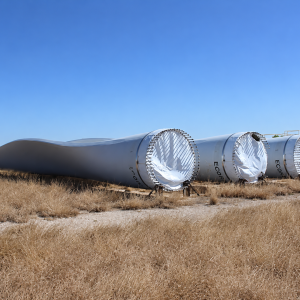
Wind Turbine Blades
Wind Turbine Blades are essential components of wind energy systems, designed to capture the kinetic energy of moving air and convert it into rotational energy that drives a wind turbine’s generator. Their aerodynamic shape allows them to harness wind efficiently, helping produce clean, renewable electricity for residential, commercial, industrial, and utility-scale applications.
Manufactured using specialized materials and advanced engineering techniques, wind turbine blades are designed to balance strength, durability, weight, and aerodynamic performance. They play a crucial role in determining a turbine’s energy output, operational efficiency, and reliability under varying wind conditions.
Key Features of Wind Turbine Blades
Aerodynamic Design: Shaped to capture wind energy efficiently and support smooth turbine rotation.
Lightweight Construction: Often manufactured from fiberglass composites, carbon fiber composites, or other engineered materials to balance weight and strength.
Structural Durability: Designed to withstand wind loads, vibration, and changing environmental conditions.
Corrosion and Weather Resistance: Suitable materials and protective coatings help resist moisture, ultraviolet exposure, and environmental wear.
Optimized Energy Capture: Blade length, profile, and pitch influence how effectively a turbine captures available wind energy.
Multiple Sizes and Configurations: Available in different designs for small wind turbines, commercial systems, and large utility-scale turbines.
Precision Engineering: Carefully designed to maintain aerodynamic performance and structural integrity throughout operation.
Benefits of Wind Turbine Blades
High-quality wind turbine blades help improve the performance, reliability, and energy production potential of wind power systems.
Improved Energy Efficiency: Aerodynamic profiles help convert available wind energy into useful rotational power.
Reliable Operation: Durable construction supports operation under the wind conditions specified for the turbine.
Enhanced Turbine Performance: Correctly matched blades help maintain the intended operating characteristics of a wind turbine.
Reduced Maintenance Needs: Suitable materials and protective finishes can help reduce wear when properly maintained.
Support for Renewable Energy: Enable electricity generation from wind without direct fuel combustion during operation.
Long-Term Performance: Proper installation, inspection, and maintenance help preserve blade condition and operating efficiency.
Applications of Wind Turbine Blades
Wind turbine blades are used in a wide range of wind energy projects, including:
Small residential wind turbines
Agricultural and farm-based wind power systems
Commercial and industrial wind energy installations
Utility-scale onshore wind farms
Offshore wind power projects
Community renewable energy systems
Hybrid solar and wind energy installations
Replacement, repair, and refurbishment of existing wind turbines
Types of Wind Turbine Blades
Horizontal-Axis Wind Turbine Blades: The most common type, typically used in three-bladed turbines for residential, commercial, and utility-scale electricity generation.
Small Wind Turbine Blades: Designed for compact turbines used in homes, farms, remote facilities, and smaller off-grid energy systems.
Large-Scale Wind Turbine Blades: Long, engineered blades designed to capture substantial amounts of wind energy for commercial wind farms.
Composite Wind Turbine Blades: Commonly manufactured using fiberglass-reinforced polymers or other composite materials that provide a balance of strength, weight, and fatigue resistance.
How to Choose the Right Wind Turbine Blades
When selecting wind turbine blades, consider the following factors:
Turbine Compatibility: Ensure the blades are specifically compatible with the turbine model, hub, and rotor assembly.
Blade Length: Blade length affects the rotor’s swept area and its potential to capture wind energy.
Material and Construction: Compare material strength, weight, fatigue resistance, and environmental suitability.
Aerodynamic Design: Choose a blade profile designed for the turbine’s intended operating conditions.
Wind Conditions: Consider the site’s typical wind speeds, turbulence, and extreme weather conditions.
Operating Speed: Confirm compatibility with the turbine’s rotational speed, generator, and control system.
Environmental Protection: Assess resistance to moisture, ultraviolet exposure, erosion, and other site-specific conditions.
Maintenance Requirements: Review inspection procedures, repair options, warranty coverage, and expected service life.
Wind turbine blades are engineered components and should not be selected by size alone. Incorrect blade dimensions, weight, pitch, or mounting specifications can affect turbine performance and create serious mechanical or safety risks. Always follow the turbine manufacturer’s requirements.
Why Choose Quality Wind Turbine Blades?
Quality Wind Turbine Blades are vital to achieving dependable wind energy performance. Their aerodynamic efficiency, structural strength, and material quality influence how effectively a turbine captures wind and converts it into electricity.
Whether you are developing a new wind power project, maintaining an existing turbine, or sourcing replacement components, choosing the right blades helps support safe operation and long-term system reliability.
Explore our range of Wind Turbine Blades to find suitable components for your wind energy equipment and renewable power projects.