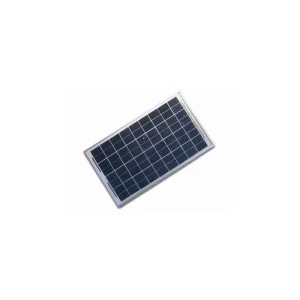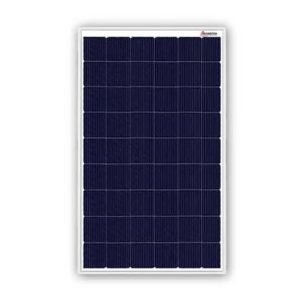
Silicon Solar Cells
Silicon Solar Cells are essential components of photovoltaic technology that convert sunlight directly into electrical energy. Manufactured using semiconductor silicon, these cells form the foundation of many modern solar panels and solar power systems. They are widely used in renewable energy applications because of their ability to generate electricity from sunlight for residential, commercial, agricultural, and industrial use.
Silicon solar cells are available in different technologies, including monocrystalline and polycrystalline cells, each offering distinct characteristics in terms of efficiency, manufacturing process, and application. They are commonly used by solar panel manufacturers, photovoltaic equipment suppliers, research facilities, and renewable energy developers.
Whether you are manufacturing solar modules, sourcing photovoltaic components, or developing solar energy products, silicon solar cells provide a fundamental building block for converting solar radiation into usable electrical power.
Key Features of Silicon Solar Cells
Photovoltaic Energy Conversion: Convert sunlight into direct-current electricity through the photovoltaic effect.
Semiconductor Silicon Material: Use silicon, a widely established material in solar cell manufacturing.
Different Cell Technologies: Available in monocrystalline, polycrystalline, and other silicon-based designs, depending on the product.
Solar Module Manufacturing: Serve as the primary electricity-generating components in many conventional solar panels.
Scalable Applications: Suitable for use in solar products ranging from small photovoltaic devices to large solar installations.
Established Technology: Benefit from extensive use and continued development across the global solar energy industry.
Benefits of Silicon Solar Cells
Silicon solar cells support the production of reliable photovoltaic modules for renewable electricity generation. Their established manufacturing technology makes them an important choice for solar panel production and a wide range of solar energy applications.
Depending on the cell type and specifications, silicon solar cells can offer high conversion efficiency, consistent electrical performance, and long-term usefulness when properly incorporated into a well-designed solar module.
By converting sunlight into electricity without direct fuel combustion during operation, silicon-based photovoltaic technology also contributes to cleaner energy generation and reduced reliance on conventional power sources.
Applications of Silicon Solar Cells
Silicon solar cells are commonly used in:
Solar panel and photovoltaic module manufacturing
Residential and commercial solar energy systems
Industrial and utility-scale solar power projects
Agricultural solar equipment and water pumping systems
Off-grid and hybrid solar power solutions
Portable solar chargers and small photovoltaic devices
Renewable energy research, testing, and development
Solar technology production and assembly facilities
Why Choose Silicon Solar Cells?
Silicon solar cells are a widely established choice for businesses and manufacturers seeking photovoltaic components for solar energy products. Their availability in different technologies and electrical specifications makes them suitable for various module designs and production requirements.
When selecting silicon solar cells, consider cell technology, dimensions, conversion efficiency, rated electrical output, voltage, current, appearance, and compatibility with the intended module design. Manufacturers should also evaluate cell quality, interconnection requirements, and the materials needed for encapsulation and module assembly.
Choose silicon solar cells for your photovoltaic manufacturing or renewable energy project and support the development of efficient solar power solutions.